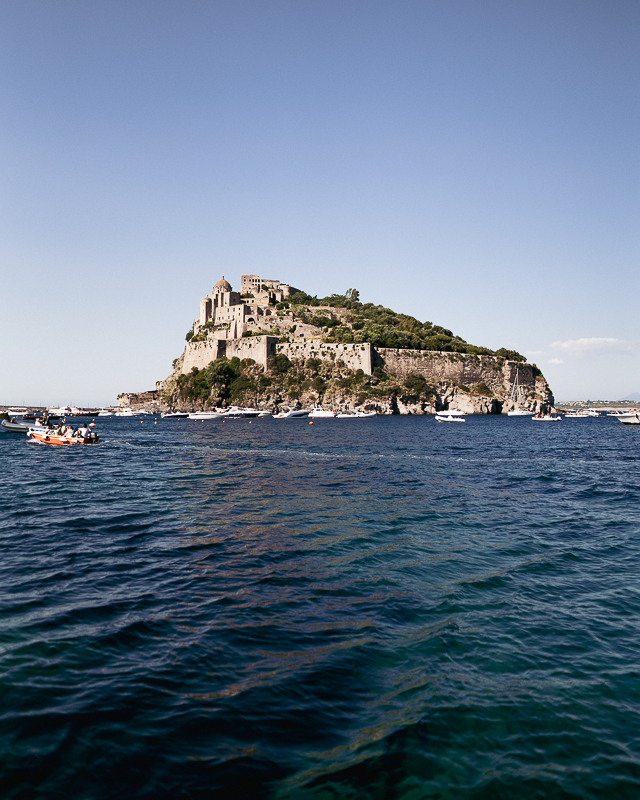
Planning a trip to the Greek Islands can feel daunting at first. With hundreds of islands scattered across the Aegean and Ionian Seas—each with their own personality and landscape—the hardest decision is often where to begin. Then come the logistics: navigating ferry routes, timing your visit, understanding island nuances, and knowing what to pack. And there’s always the temptation to fit in “just one more island.”
Small planning details have a big impact on your overall experience. An overpacked itinerary, missed connections, or choosing the right island at the wrong time can quickly shift the tone of a trip. The challenge isn’t finding beauty—it’s determining which version of Greece you want to experience. Slow mornings in a seaside whitewashed village; ancient ruins steeped in history; or buzzing nights that last until sunrise. These 10 tips for visiting the Greek Islands are to refine your planning, focus your priorities, and help you experience Greece in a way that feels effortless and authentic.
Hello! This site incorporates affiliate links to help me continue to produce free travel guides and content for you. I only recommend products I use myself and all opinions expressed here are my own. This post contains affiliate links and I may earn a commission from qualifying purchases at no cost to you.

How to Choose Which Islands To Visit
Choosing which Greek Islands to visit can feel like a daunting task. After all, Greece is home to more than 6000 islands and islets with over 200 of them inhabited. The best way to pick which islands to visit is consider the overall vibe of each island and its geographic location. Visiting islands that are relatively close to one another will minimize ferry time and make your trip more enjoyable. Start by picking one island that is at the top of your list and then selecting a couple islands close by.
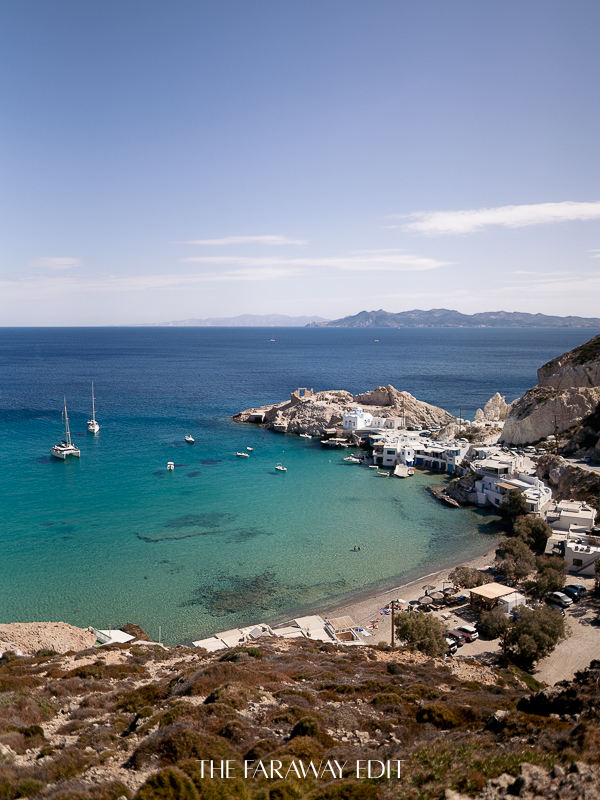
The Greek Islands are split up into several groups. In the Cyclades, you’ll find iconic destinations like Santorini and Mykonos and plenty of under-the-radar islands like Sifnos and Folegandros. Milos has gained popularity in recent years for its otherworldly beaches and local charm. The Ionian Islands to the west of Greece’s mainland include Corfu, Zakynthos, and Kefalonia. These islands are known for their green landscapes, more rugged terrain, and turquoise waters. The Dodecanses Islands are just off the coast of Turkey and feature historically rich destinations like Rhodes and Kos. Close to Athens, the Saronic Gulf Islands are known for their easy accessibility and authentic atmosphere with the most famous of these being the car-free island of Hydra.
Don’t Overcrowd Your Itinerary
When visiting a new country, especially a place as beautiful as the Greek Islands, it’s easy to want to see it all. But trying to cram too many islands into a visit can turn your trip into a stressful rush of ferries, transfers, and missed experiences. For a 10 – 14 day trip, focus on two to four islands—depending on how large each island is. As a general guideline, book at least three nights on each island you visit. This gives you time to explore charming villages, relax on the beaches, and soak in the atmosphere without feeling rushed. The Greek Islands are meant to be savored, not rushed.
Visit During Shoulder Season
Peak season in the Greek Islands, July and August, comes with heavier crowds and higher prices—especially on popular islands like Santorini and Mykonos. Shoulder season, which spans from May to June and September to early October, is one of the best times to visit the Greek Islands. During these months, crowds are fewer, temperatures are more comfortable, and prices are not at their peak. If visiting during July and August, consider exploring under-the-radar Greek Islands that do not attract heavy crowds. On small Greek Islands, avoid visiting after mid-October or too early in the spring as many locales close for the off season. September is my favorite time to visit Greece—warm seas, beautiful weather, and a relaxed atmosphere.
Book Accommodations & Ferries Early
During peak season, accommodations and popular ferry routes fill up quickly. Many Greek Islands are small and have a limited number of hotels and vacation rentals—sometimes only one or two luxury properties on the entire island. The earlier you book, the more options you’ll have and better chance of securing a place you’ll love. Waiting until the last minute can lead to settling for a less-than-ideal Airbnb (trust me, I’ve been there and I don’t recommend it). Even in shoulder season, plan to book accommodations early.
The same goes for ferries. Popular routes can sell out in advance—especially for the faster hydrofoil ferries at the most desirable departure times (mid-morning). For travel in July and August, book ferries at least 4 weeks in advance. For travel outside of these months, aim to book ferries 2 weeks in advance.
Allow Time for Delays & Be Flexible
Ferries and flights are often delayed due to weather. The Meltemi Winds, a strong northerly breeze, blows mid-May to mid-September with the strongest gusts in July and August. Avoid planning tight transfers and leave ample time in between any connections. Flights are often canceled before ferries so be prepared to pivot to a ferry if your flight gets canceled.
Take Note of the Afternoon Siesta
Many shops and restaurants close for a few hours in the afternoon—typically between 2:00 and 5:00 pm—and some restaurants won’t open again until even later in the evening. The pause allows locals to rest during the during the hottest part of the day. Keep this in mind when planning your day and visit shops outside these hours.
Rent a Car or Quad to Access Remote Beaches
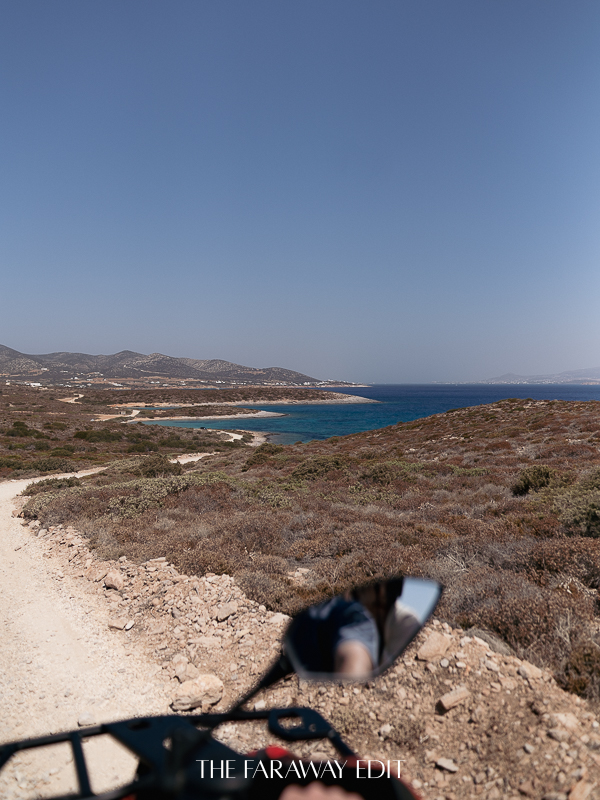
While Greece is known for its reliable public transportation, island buses typically only connect the main towns and villages. For greater flexibility, and to reach areas beyond the main routes, rent a car or quad. Many of the most beautiful beaches are tucked away in more remote areas and are only accessible via car, quad, or even boat. Quads are especially practical on smaller islands where the roads are narrow and often unpaved. On bigger islands, where you’re traveling longer distances, a car is preferred. If you’re visiting during high season (July – August), be sure to book transportation in advance. Outside of those months, you can often find transportation available to rent on arrival.
Pack Light
When island hopping in Greece, packing light is key for smooth transitions. Travel between islands often involves ferry rides, walking up and down ramps, navigating ports, and transporting luggage through cobblestone streets—all in the summer heat. The less you have to carry, the easier travel between islands becomes. Packing lightweight luggage with versatile essentials gives you more flexibility and allows you to move more comfortably between islands.
Carry Small Change & Cash
While most shops and restaurants are required to accept credit cards, paying with cash is often more convenient, especially for small purchases. Using cash helps local business avoid card processing fees. Some shops have a card minimum and if you’re buying a single item, like a water, you might not hit that minimum. For everyday purchases, having cash on hand can make transactions quicker and more appreciated by local vendors.
Packing Essentials
Summer in the Greek Islands is all about light and effortless clothing, sun protection, and some practical items to make your trip more enjoyable. You’ll typically find me living in a swimsuit paired with a cover up or long sleeve linen shirt and shorts—always paired with sunscreen, sunglasses, and a sun hat for extra protection. For beach days, a beach tote and a lightweight packable towel are must-haves, especially for unspoiled beaches with no amenities or beach clubs in sight. Another beach item to consider packing is water shoes, but not the ugly kind. These Reef Water Sandals are waterproof and perfect for navigating Greece’s rocky and pebbled beaches. And if you’re prone to motion sickness, bring Dramamine or another motion sickness remedy as ferry rides can be choppy even on calm days.