Kefalonia is proof that there’s a version of Greece beyond the stark volcanic landscape the country is famous for. It’s wild, lush, dotted with pastel villages, and lined with electric blue waters found almost nowhere else in the country. Welcome to the Ionian Islands. Kefalonia is the largest of the seven Ionian Islands that sit just off the western coast of mainland Greece. See how the Cyclades and Ionian Islands compare. A short hour-long flight from Athens, Kefalonia has managed to stay under the radar—meaning smaller crowds, quieter beaches, and villages that still feel genuinely local.
What makes Kefalonia different is its scale and wonder. Limestone cliffs rise straight out of the sea, underground lakes hide beneath the surface, and ivory-pebbled beaches lead into impossibly blue water. The island shifts in character from north to south. Venetian harbors give way to rugged mountains, untouched coastline, and the island’s capital. No two corners or beaches look or feel the same, and they’re all worth exploring. This Kefalonia travel guide covers everything you need to plan your trip—how to get there, where to stay, the best beaches, where to eat, and the places worth going out of your way for.
Hello! This site incorporates affiliate links to help me continue to produce free travel guides and content for you. I only recommend products I use myself and all opinions expressed here are my own. This post contains affiliate links and I may earn a commission from qualifying purchases at no cost to you.
Know Before You Go
- How Long to Stay: Seven to eight days is the ideal amount of time on Kefalonia. The distances between its best beaches and villages are longer than they appear on a map. A full week gives you time to stay in both the north and south without feeling rushed. If you only have three to four days, pick one area to explore—trying to cover the entire island in that time only means driving more and lingering less.
- Best Time to Visit: June through September. The crowds peak in July and August, though the island doesn’t draw the same volumes as Santorini or Mykonos. Early October can be unpredictable as seasonal rains arrive and some restaurants and hotels close for the winter.
- How to Get Around: A car rental is essential. The island stretches over 30 miles end-to-end and takes well over an hour to drive across, and you’ll need to drive between nearly every popular destination.
- Currency: Euros. Local markets and village bakeries often prefer cash so carry some small change.
How to Get to Kefalonia
The easiest and most practical way to reach Kefalonia is by plane. Cephalonia International Airport (EFL) sits just outside the island’s capital city, Argostoli, and operates direct flights from Athens year-round as well as seasonal routes from the UK and Europe. Most visitors land, pick up a rental car, and are on the coast within an hour—one of the perks of a small island airport.
Ferry is the other method of arrival. Coming from Greece’s mainland, Patras connects to Sami on Kefalonia’s eastern coast, a crossing that takes about three hours. Seasonal routes also connect Kefalonia to the neighboring Ionian Islands of Ithaca, Lefkada, and Zakynthos.
Where to Stay on Kefalonia
Kefalonia doesn’t have an obvious central base the way smaller islands do. The right choice depends on what you want to experience and how long you’re staying.
Argostoli is the island’s lively capital and a practical choice for first-time visitors. As the biggest town on the island, it has plenty of infrastructure—supermarkets, pharmacies, and restaurants along the waterfront.
Lassi is just a few minutes from Argostoli and is the capital’s main resort area. Plenty of hotels and beach club are here along with easy access to west-coast swimming spots like Platis Gialos. Stay at White Rocks Hotel for a well-located resort stay in Lassi.
Fiskardo and Assos are the two most beautiful villages on Kefalonia, both tucked into the northern corner. Fiskardo is the larger of the two, with Venetian architecture lining a charming harbor with waterfront tavernas. Assos is quieter, with the remains of a Venetian castle on the hill above. The tradeoff with staying in either is a long drive to most of the island’s highlight attractions, although both are worth visiting regardless of where you stay.
Sami, on the eastern coast, offers the most central position on the island. It sits almost equal distance from the north and south ends, close to Melissani Cave, and is home to the ferry port. While it lacks the charm of Fiskardo and the size of the capital, it’s the strongest logistical base on the island.
My honest pick: five nights in Sami to properly explore the island, paired with two nights at Eliamos Villa Hotel on the southern coast to reset before you leave. First-time visitors with three to four days should opt for Argostoli or Lassi, where amenities are easily accessible for a shorter stay.
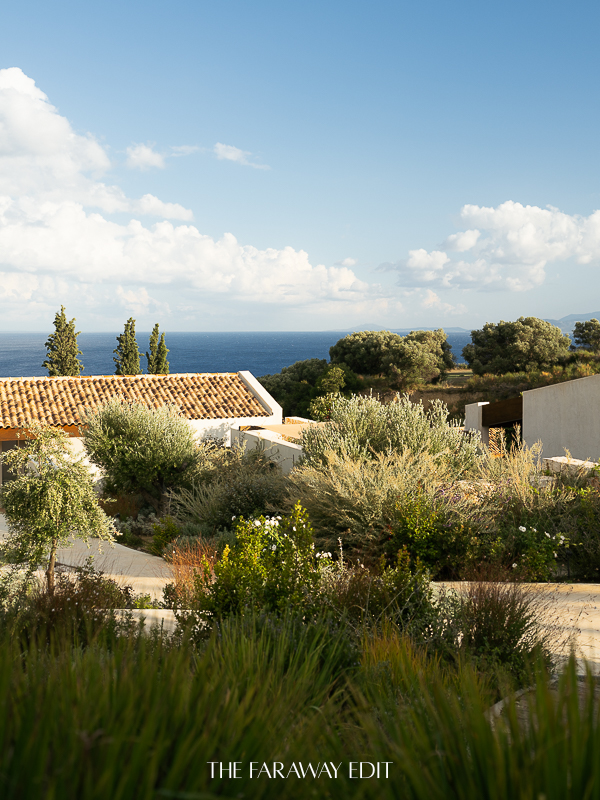
Standout hotels on Kefalonia include Eliamos Villa Hotel & Spa for a wellness-focused retreat and White Rocks Hotel in Lassi. Read about our stay at Eliamos Villa Hotel.
Restaurants and Bars
Kefalonia’s signature dish is the Kreatopita—a savory meat pie with spiced lamb in a flaky pastry. In the capital, both Ladokolla and Palia Plaka are reliable picks for traditional local cooking done well. For an elevated tasting menu that highlights Kefalonia’s local cuisine, make a reservation at Terre Mouikis—it’s worth planning an evening around. For drinks, Oinops Wine Bar pours a wide selection of Greek wine, and Bee’s Knees Bar is the pick for creative cocktails.
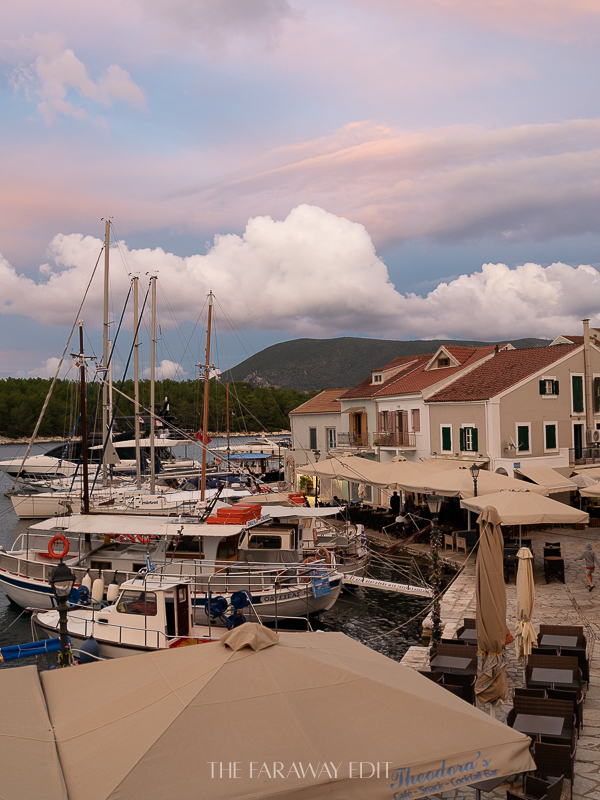
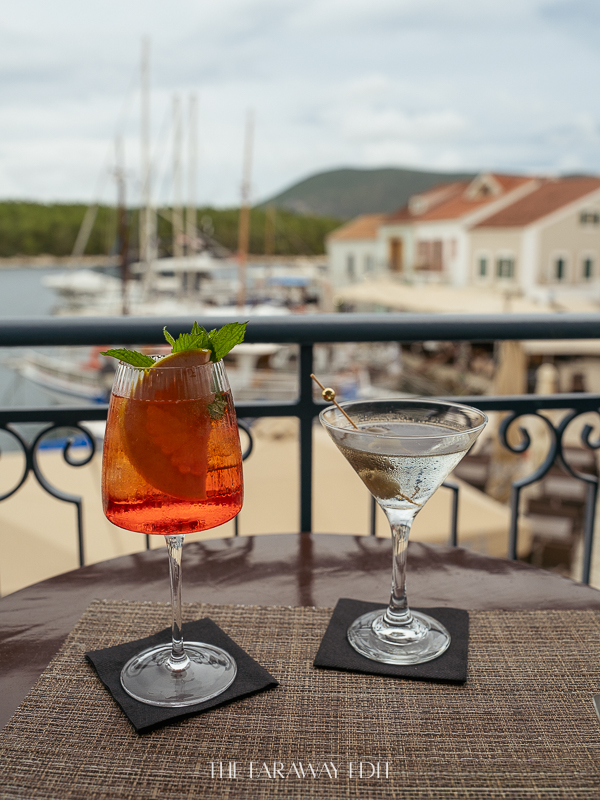
Outside the capital, The Mermaid in Sami is a harbor-front taverna run by the same family for decades. At Antisamos Beach, Acron Beach Bar delivers the perfect beach day—order food straight to your sun lounger between dips. In the north near Fiskardo, Alati All Day Restaurant sits above the turquoise waters of Alaties Beach and serves food from mid-morning well into the evening. In Fiskardo, the waterfront tavernas are some of the island’s best places to watch the sunset—watch the yachts drift in and lose track of time over another round of drinks. Le Passage is a Fiskardo favorite along with Theodora’s Café Bar, where you can grab a table on the upper terrace and watch the sunset over the harbor.
Best Things to See & Do
Beaches
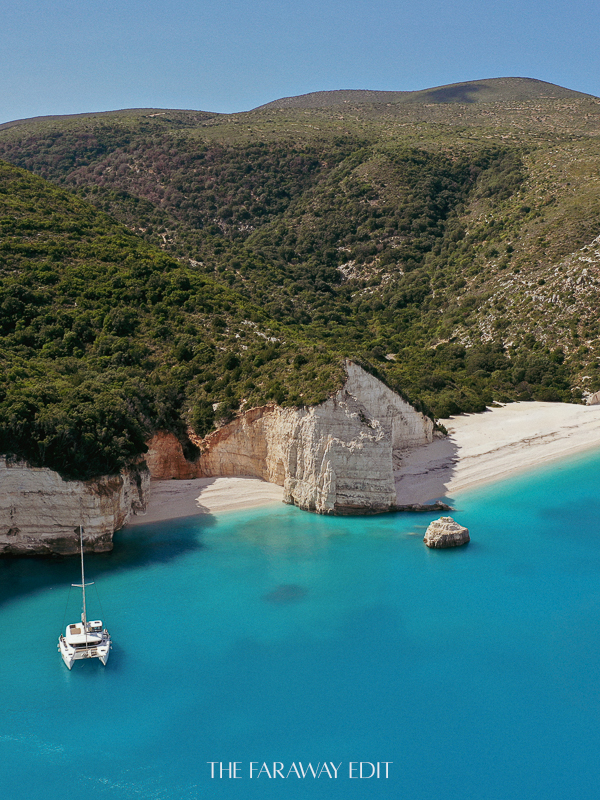
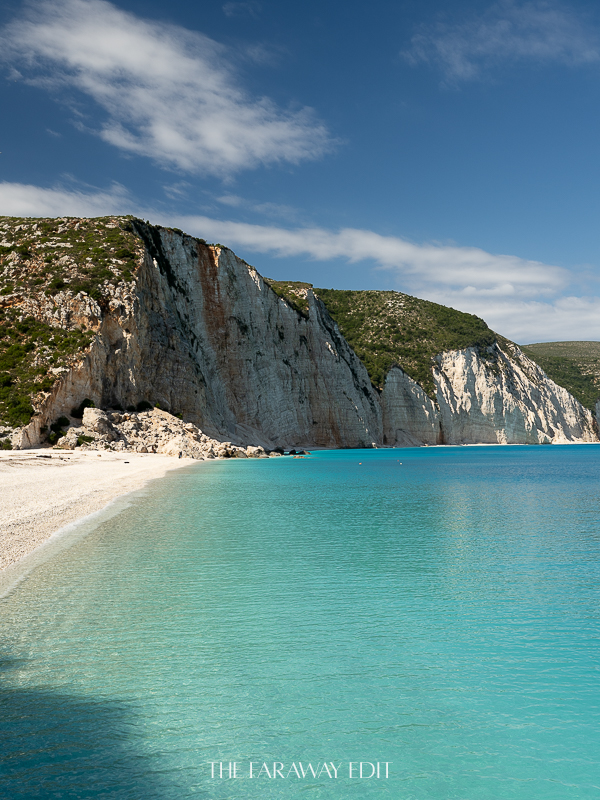
This is where Kefalonia shines. The Ionian Islands are home to a color of blue I’ve never seen before—a vivid electric blue contrasted by limestone cliffs and verdant hills—and Kefalonia has it in abundance.
Myrtos Beach is the island’s most famous. Follow the winding road down from the ridgeline above to reach a white-pebble beach with impossibly blue water. As inviting as the water looks, the currents are often strong here.
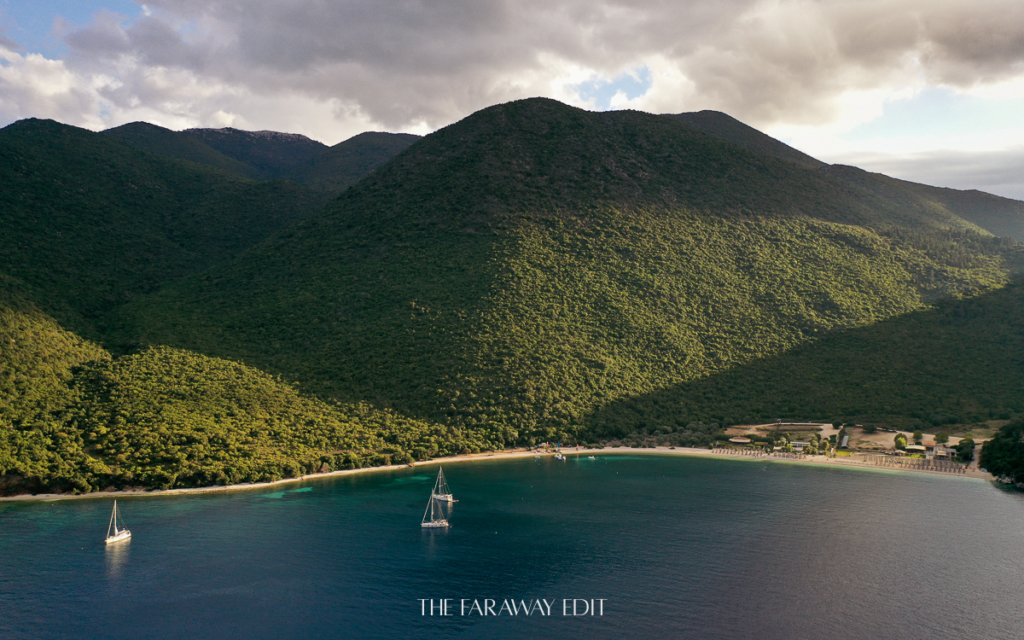
Antisamos Beach sits on the east coast in a sheltered bay surrounded by rolling green hills. The sheltered beach features calmer waters and a beach bar on site.
Fteri Beach is my personal favorite. It’s not accessible by road, so you’ll either need to hike an hour down a steep ravine or take a short water taxi from Zola Harbor. Just bring everything you need as there are no beach bars here and arrive early in peak season.
Assos Village
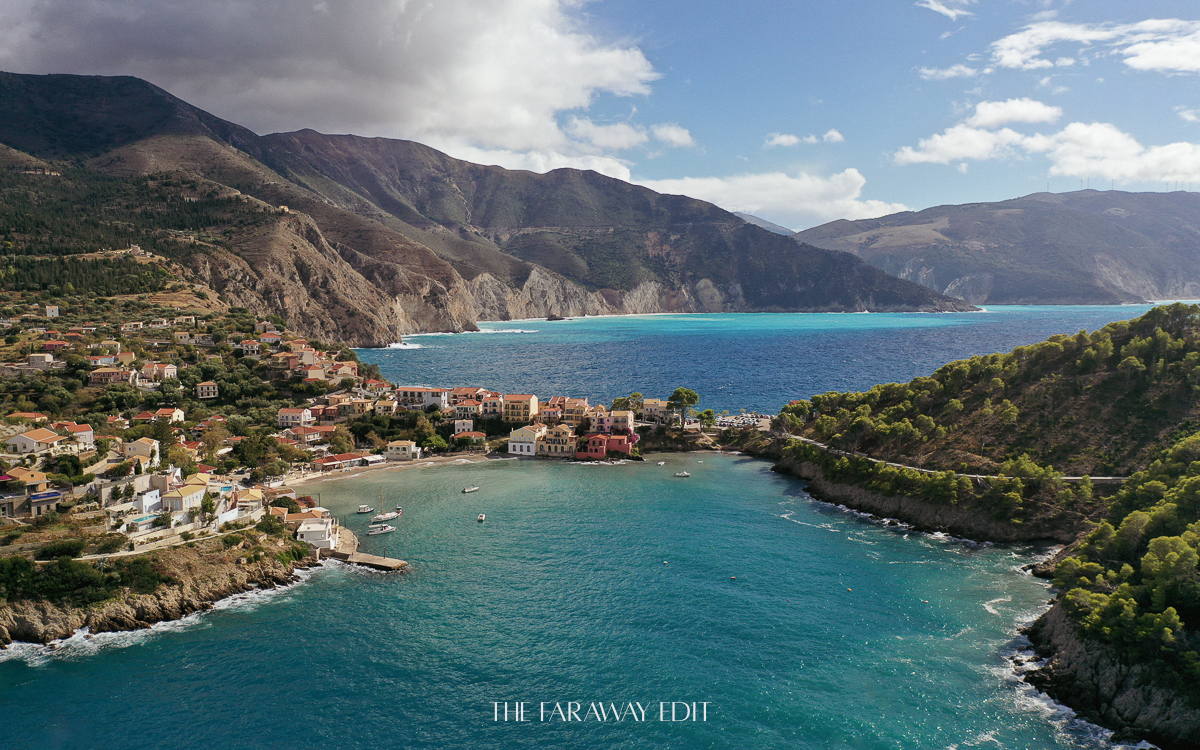
Assos rests at the base of a narrow peninsula, a collection of pastel-colored homes ranging from dusty pink to faded yellow, all topped with terracotta roofs. The tiny harbor is only big enough for small fishing boats and a handful of tavernas that sit almost in the water. Above the village, the remains of a 16th-century Venetian fortress overlook the harbor and Kefalonia’s dramatic coastline. Follow the cobblestone path uphill, a hike that takes around 30 minutes.
Visit Assos as a day trip: have a cappuccino on the water, watch the boats, then climb to the castle before the heat of the day sets in.
Fiskardo Village
Set on the northern tip of the island, Fiskardo is the only village to survive the devastating earthquake of 1953 that destroyed much of Kefalonia. Its Venetian architecture remains intact with tavernas and local shops lining the waterfront. In summer, the bay fills with yachts and evenings buzz with conversation over aperitivos and golden light. Come for lunch, stay for sunset. Head to Le Passage or Theodora’s Café Bar to soak in the town’s atmosphere.
Melissani Cave & Drogarati Cave
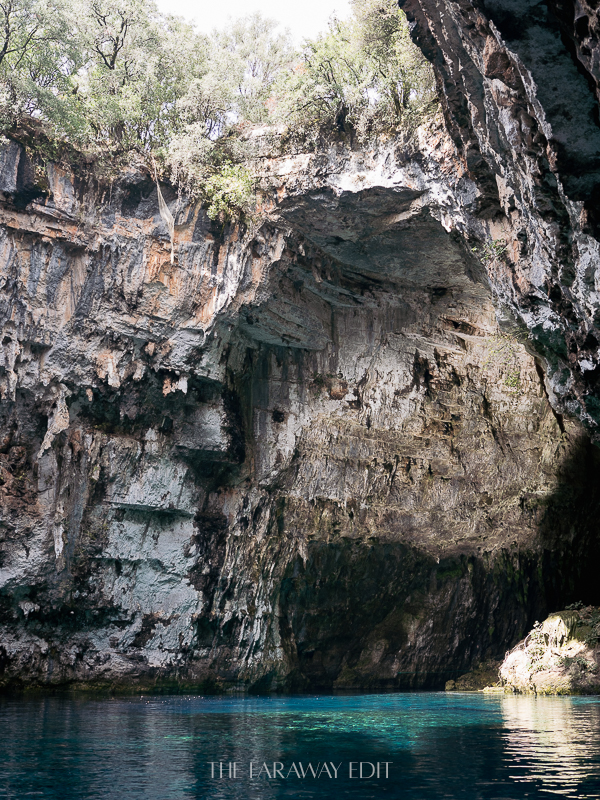
Near the town of Sami, Melissani Cave is an ancient collapsed cave and underground lake steeped in legend. According to Greek mythology, it was here that the water nymph Melissani drowned after being rebuffed by the god Pan.
Come at midday, when the sunlight hits the water at just the right angle, turning it a deep shade of blue. Drift through the magical space on a small rowboat, looking up at the land above. The short but spectacular excursion gives visitors a glimpse of Kefalonia’s distinctive landscape. During July and August peak season, book tickets ahead.
A few miles away, Drogarati Cave is a worthwhile stop. At 150 million years old, its acoustics are so striking that the cathedral-like main chamber is occasionally used for live concerts. Descend nearly two hundred feet underground for a cool reprieve and a view of stalactites that have been growing for millions of years.
Mount Ainos National Park
Rising to 5,341 feet, Mount Ainos is the tallest peak in the Ionian Islands and one of Kefalonia’s most underrated corners. The national park protects a rare forest of Kefalonia Fir, a species found almost nowhere else on earth. The summit, Megas Soros is reachable by a two-mile out-and-back hike. Those seeking a longer trek can opt for the Mount Ainos Ridge hike, a six-mile venture. Either way, the panoramic views at the summit justify the trip. On a clear day you can see from neighboring island Zakynthos to the mountains of the Greece’s mainland. Look carefully and you might even spot some of the island’s wild ponies.
Robola Wine Tasting
Kefalonia is known for its wine, built around a single grape: Robola. An indigenous white grape almost exclusively grown on Kefalonia, Robola thrives in limestone soil and high altitudes found on the island’s interior—conditions found almost nowhere else in Greece. The result is a dry white wine marked by bright notes of citrus with a mineral edge that pairs perfectly with fresh seafood.
Sample the wine where it’s made. Gentilini Winery & Vineyards is a boutique producer not far from the island’s capital with a charming tasting terrace. Petrakopoulos Wines is a smaller, family-run estate for those looking for a more intimate tasting.
Boat Trip to Ithaca
Some of the island’s most spectacular scenery is best admired from the water. A day trip to the neighboring island Ithaca is one of the best ways to appreciate the coastal landscape. Separated by a six-mile strait, Ithaca is small, unhurried, and known as the legendary home of Odysseus. Popular stops include the quiet capital of Vathy, the secluded Gidaki Beach, and the bay of Dexa, where Odysseus is said to have arrived.
Boats depart from Sami and Fiskardo. Group day trips and ferries run frequently throughout the season, though a private charter offers the most flexibility. Book in advance.
Greek Island Packing Favorites
Scenes from Kefalonia
Somewhere faraway is calling. More from the Greece Edit.