Planning your first African safari can feel like choosing between four incredible, very different trips. Kenya, Tanzania, South Africa, and Botswana all deliver world-class safaris, but the experiences and logistics are very different. The right one depends on your travel style, budget, and goals. Someone chasing the Great Migration’s river crossings wants a different trip than someone who values an easy flight and no visa hassle, and both of those look different from a traveler dreaming of poling through the Okavango Delta by mokoro. The best country isn’t a universal answer, it’s the one that lines up with the experience you’re after.
This country-by-country breakdown compares four of Africa’s most popular safari destinations the same way: how hard it is to get there from the United States, general comparative costs, and what wildlife and landscape await once you’re there. By the end, you should have a sense of which destination best fits your dream first African safari.
Hello! This site incorporates affiliate links to help me continue to produce free travel guides and content for you. I only recommend products I use myself and all opinions expressed here are my own. This post contains affiliate links and I may earn a commission from qualifying purchases at no cost to you.
South Africa
Accessibility: Easiest
Direct flights, no visa required for U.S. travelers.
Delta and United both fly nonstop to Johannesburg and Cape Town, making South Africa the most straightforward safari destination to reach from the United States. The long-haul leg runs 15 to 17 hours depending on the route. Once you land, a short domestic flight gets you to one of Kruger’s three main airports: Skukuza (inside the park itself, best for southern lodges), Hoedspruit (best for central and northern reserves), or Kruger Mpumalanga International. Lodge transfers after that vary from 15 minutes to several hours depending on the lodge’s location. South Africa is also the easiest country to pair with another experience—add on Cape Town, the Winelands, or even Victoria Falls without too much complexity.
No visa is required for U.S. citizens. Just six months passport validity with two consecutive blank pages. For the most current entry requirements, check the U.S. Department of State’s South Africa Travel Page.
Cost: Budget to Splurge
South Africa’s safari price range is the widest in all of Africa. Self-drive through Kruger’s public rest camps is the budget option, but I wouldn’t recommend it for a first-time safari—part of the experience is learning from skilled guides. The Greater Kruger region features numerous mid-range lodges with guided stays in a private reserve bordering the park, like Timbavati or Manyeleti. For splurge options, Sabi Sand Private Reserve delivers some of the best sightings in the world with lodges that rival the best hotels anywhere.
Wildlife & Landscape
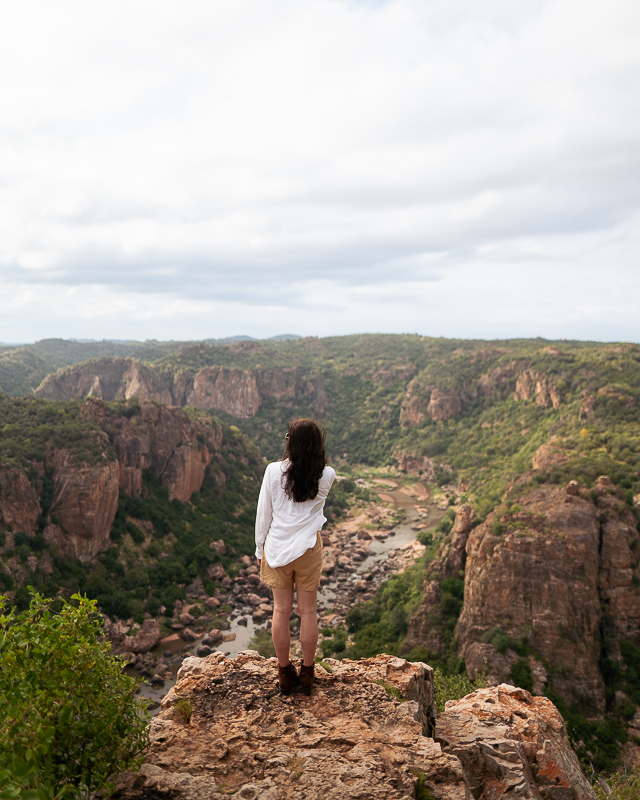
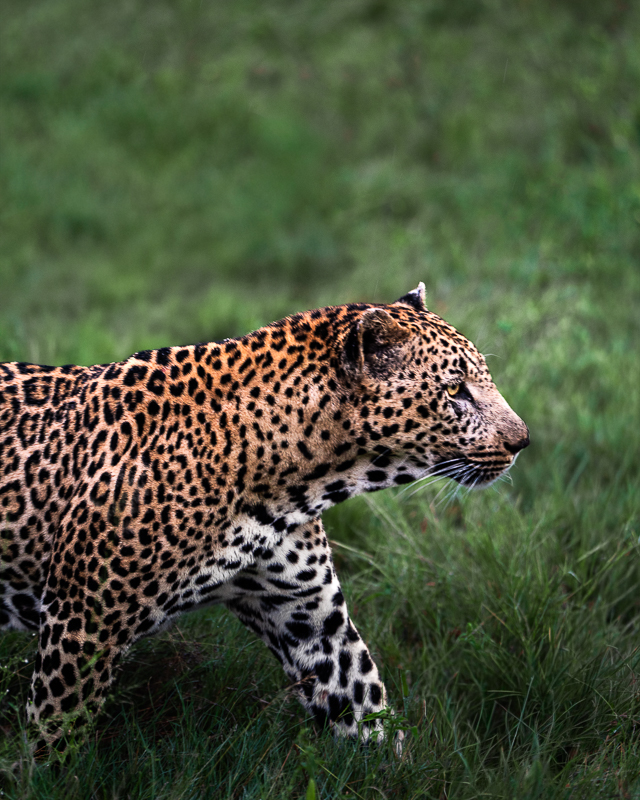
Kruger National Park and its neighboring unfenced private reserves center South Africa’s safari scene. Sabi Sand Reserve offers some of the most reliable Big Five sighting opportunities in all of Africa thanks to its dense population of leopards. The landscape is classic bushveld—open woodland with tall grass and thorny scrub. Denser riverine forests are also found along the Sabie and Luvuvhu Rivers. During the winter months (May – September) the bush thins out and wildlife spotting becomes easier.
Read about some of my favorite South Africa safari lodges.
Kenya
Accessibility: Moderate
The only nonstop flight between the U.S. and Kenya is operated by Kenya Airways connecting New York’s JFK and Nairobi (NBO) on a 14-hour long-haul flight. Many travelers from the U.S. still route through a European hub for better scheduling or fares. Once you land at Nairobi’s main airport, most safari-bound travelers transfer roughly 10 miles to Wilson Airport, a domestic hub for small bush planes. From there, a 30-to-60-minute flight lands in the Maasai Mara’s wide-open savannah.
U.S. citizens need an electronic travel authorization (eTA) before boarding as it’s typically checked with your passport. Apply at least a week or two in advance as standard processing takes three business days. You’ll also need six months passport validity and at least two blank pages. For the most current entry requirements, check the U.S. Department of State’s Kenya Travel Page.
Cost: Mid-Range to Splurge
Kenya’s safari costs vary from mid-range to splurge, driven by the popularity of the Maasai Mara and its front-row seat to the Great Migration. Demand for camps along the migration route during river-crossing season keeps prices high. The Mara’s sheer size supports a range of camps and lodges, ranging from mid-range to full splurge, giving you more flexibility than in some smaller reserves. Amboseli National Park, in comparison, is much smaller with fewer camps, but what it lacks in scale it makes up for in value—lodges here are generally more affordable than in the Mara.
Wildlife & Landscape
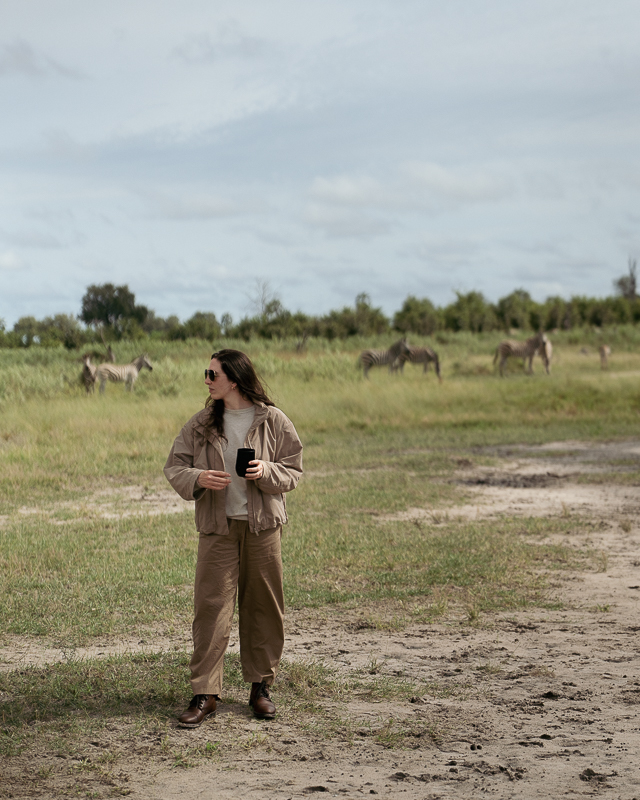
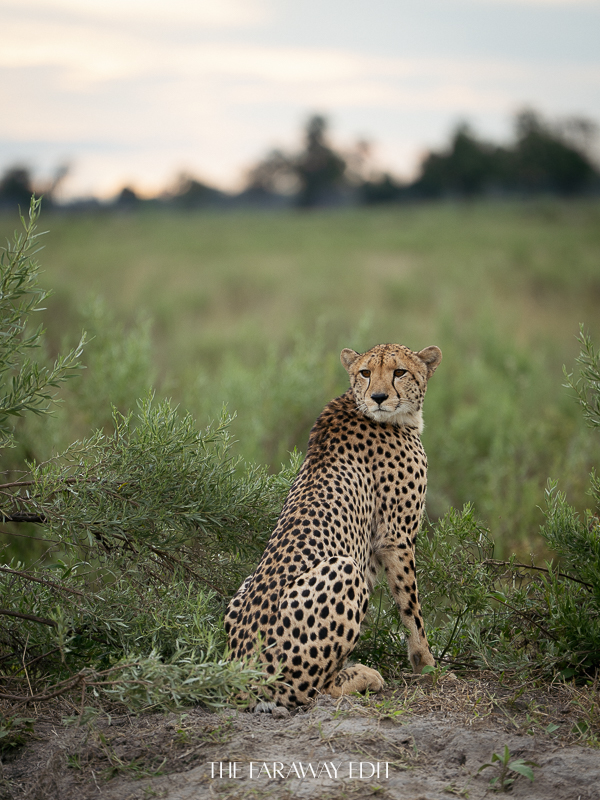
Maasai Mara is the reason most people think of Kenya. The national reserve, covered in golden grassland, is an extension of Tanzania’s Serengeti and the stage for the Great Migration’s famous portion when wildebeest and zebra funnel across the crocodile-filled Mara River. The abundance of open terrain makes for excellent big-cat spotting—lions and cheetah sightings are common here. Closer to Nairobi, Amboseli National Park is known for its large elephant herds against the backdrop of the snowcapped Mount Kilimanjaro.
Tanzania
Accessibility: Moderate
Routed through Europe/Kenya, visa required for U.S. travelers.
There is currently no nonstop flight between the U.S. and Tanzania. Northern Tanzania is the more classic first safari destination, with well-established lodges around the Serengeti and Ngorongoro Crater. The southern circuit is quieter and better suited for travelers who have already done a first safari. To access the north, most travelers fly into Kilimanjaro International Airport (JRO), routing through a European hub, the Middle East, or Nairobi. From Kilimanjaro, you’ll reach your lodge by either bush plane or road transfer.
U.S. citizens need a visa to enter Tanzania. It’s best obtained online in advance, though in some cases it can be done on arrival. You’ll also need six months passport validity and at least one blank page. For the most current entry requirements, check the U.S. Department of State’s Tanzania Travel Page.
Cost: Mid-Range to Splurge
Tanzania’s safari camps lean mid-range to luxury, particularly around the Serengeti and Ngorongoro Crater, where accommodations are priced to match the region’s reputation. The Serengeti alone is home to roughly 100 lodges and camps spread across a region nearly the size of Connecticut so there’s a range of lodging within the mid-range-to-splurge bracket depending on location and season. Private concessions, like Grumeti Game Reserve, border the park and offer a more exclusive experience with prices to match.
Wildlife & Landscape
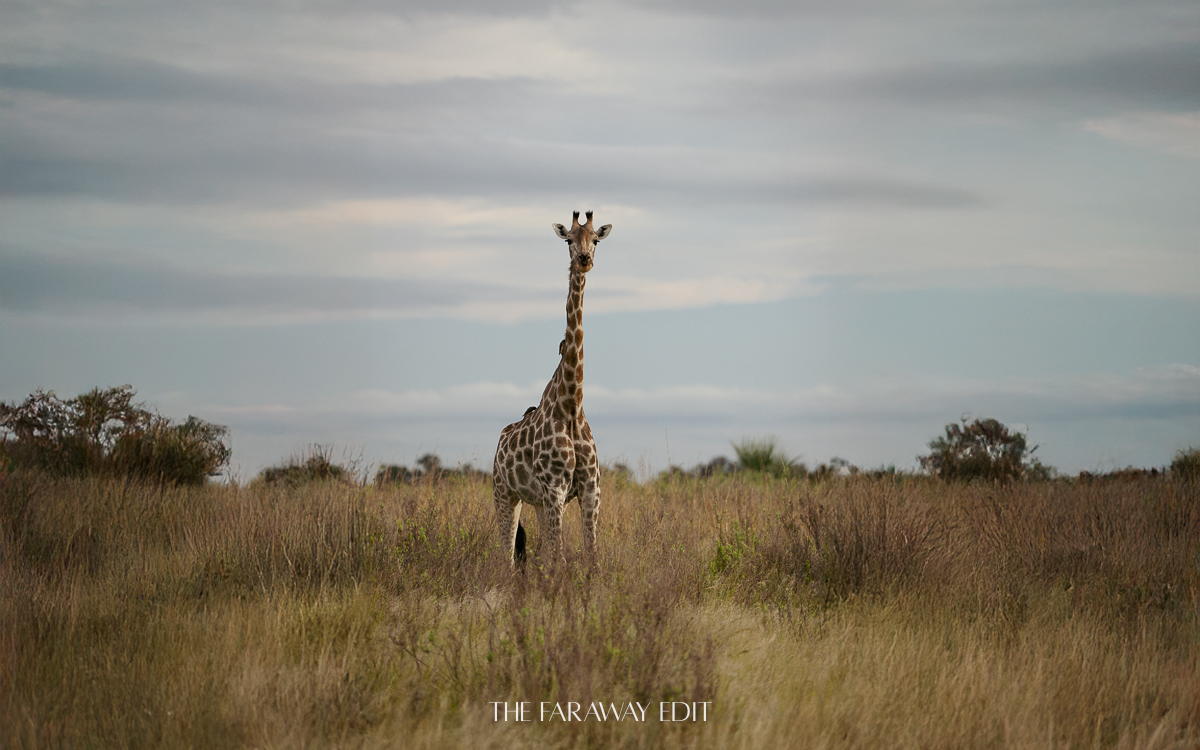
The Serengeti shares its ecosystem with the Maasai Mara, just on a larger scale. Other chapters of the Great Migration circulate through Tanzania. Massive herds of wildebeest and zebra draw predators, like lions and cheetahs. Elephants and giraffes are also common in the plains. The Ngorongoro Crater, a collapsed volcanic crater spanning 100 square miles, holds an extraordinary density of wildlife—including Africa’s healthiest remaining population of black rhino. Other wildlife found here include herds of wildebeest, zebra, and buffalo, along with lions, and the elusive leopard.
Botswana
Accessibility: Moderate to Complex
Multiple connections, a bush plane or helicopter, and no visa required for U.S. travelers.
Most travelers fly into Johannesburg, South Africa, then connect to Botswana flying into either Maun International Airport (the gateway to the Okavango Delta) or Kasane International Airport (for Chobe National Park). From there, a small aircraft or helicopter takes you on the final leg to your camp. This journey is typically booked in stages: a flight from the U.S. to Johannesburg, a connecting flight into Botswana, and a final light-aircraft transfer, usually arranged by your lodge or tour operator. Chobe National Park is in close proximity to Victoria Falls, making it easy to add on a few days at the falls.
U.S. citizens do not need a visa to visit Botswana. You’ll also need six months passport validity and at least three blank pages. For the most current entry requirements, check the U.S. Department of State’s Botswana Travel Page.
Cost: Mid-Range to Splurge
Botswana runs a low-volume, high-value tourism model. The result is fewer camps, higher prices, and a smaller environmental footprint. The Okavango Delta sits at the top of that model—an exclusive water-based experience with a high starting price that puts it in the splurge category. Chobe National Park offers more variety in price point, with a range of camps to select from.
Wildlife & Landscape
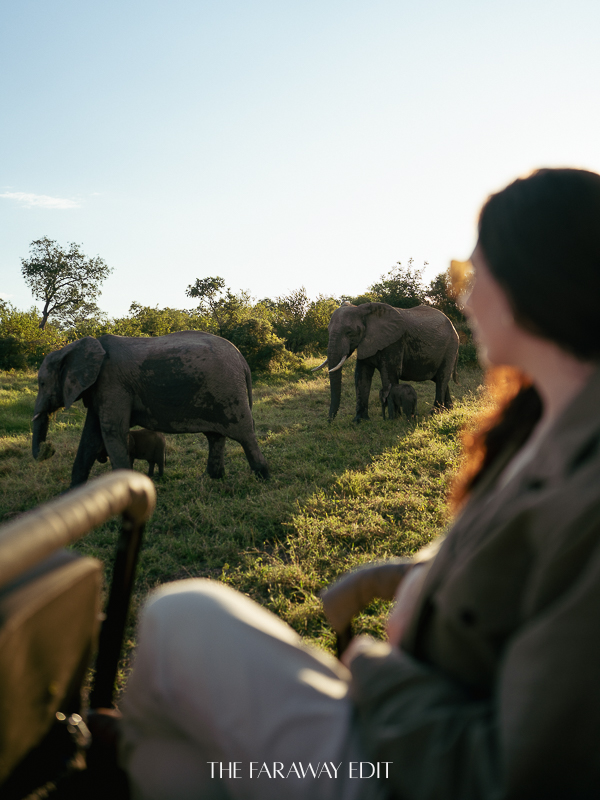
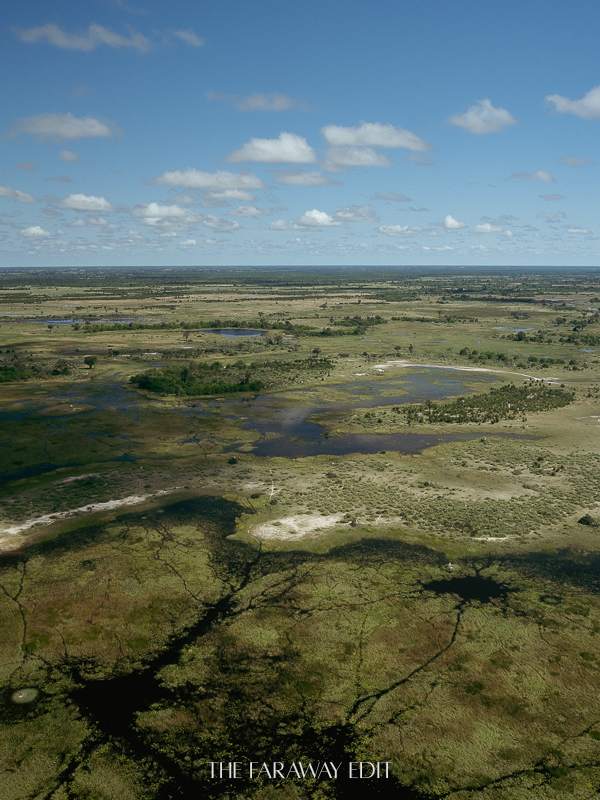
The Okavango Delta is unlike anywhere else on this list. It’s an inland delta where seasonal floodwater from Angola’s highlands spreads into a maze of channels before disappearing in the sands of the Kalahari Desert. The result is a safari that moves through water and across land. Birds are plentiful here along with giraffes, elephants, and predators—the endangered African wild dog frequents this area. To the north, Chobe National Park holds one of the largest elephant populations in Africa. The riverfront experience features a mix of wildlife and predators drawn to the Chobe River, one of the region’s few consistent water sources.
Read about some of my favorite Botswana safari lodges.
Other African Safari Destinations: Zimbabwe, Zambia, Rwanda, Uganda
Beyond South Africa, Kenya, Tanzania, and Botswana, a handful of other countries are worth knowing about—destinations with different experiences. Zimbabwe and Zambia trade game-drive vehicles for intimate walking safaris, while Rwanda and Uganda swap savannah for misty forest face-to-face with mountain gorillas. Same sense of wonder, entirely different settings.
Zimbabwe & Zambia
Zimbabwe and Zambia are known for Victoria Falls and their slower-paced walking safaris. Victoria Falls, one of the Seven Natural Wonders of the World, sits on the border between the two countries and is an easy add-on. Beyond the falls, walking safaris are led by highly skilled guides on foot through the bush. Walking safaris offer a more intimate perspective than a vehicle safari. In Zimbabwe, Mana Pools National Park sits along the Zambezi River with large elephant herds, resident hippos, and a dense population of predators. To the south, Hwange National Park is also known for its healthy elephant population, buffalo, lions, and remarkably diverse bird population. In Zambia, South Luangwa National Park is famous for its lush riverine landscape and a high concentration of leopards, while Lower Zambezi National Park offers exceptional river-based safaris sighting elephant, hippo, and buffalo.
Rwanda & Uganda
Rwanda and Uganda are best known for mountain gorilla trekking, a fundamentally different experience from a traditional safari. Rather than a game drive in search of a variety of animals, you’ll hike through dense, high-altitude forest to spend a permitted hour with a gorilla family. These treks occur in Rwanda’s Volcanoes National Park or Uganda’s Bwindi Impenetrable Forest. Permits are limited, expensive, and must be booked well in advance. It’s an extraordinary gorilla-focused adventure.
Somewhere faraway is calling. More from the Safari Edit.